Learn about the two markedly different approaches organizations are taking in order to successfully navigate the strategic challenges that come with AI adoption.
The digital age has made the rapid exchange of scientific research and product information across geographic boundaries routine, and AI technologies are now transforming how this content is accessed, analyzed, and repurposed.
If technology has escalated infringement, it has also brought new solutions that make it simple to
comply with copyright law and still embrace the sharing that is the digital workplace’s most valued asset.
Expert Mary Ellen Bates breaks down the seismic shift impacting the information landscape, including the search trends everyone must pay attention to. Learn how info pros can capitalize on these trends to transition from information gatekeepers to knowledge navigators, empowering researchers across their organization to drive innovation in the age of AI.
Discover the value that web crawling, creation of curated datasets, and delivery of targeted and relevant intelligence can provide across your organization.
Four core requirements are necessary for R&D teams to realize the full potential of streamlined search, usage, and insight generation. We outline them in this white paper.
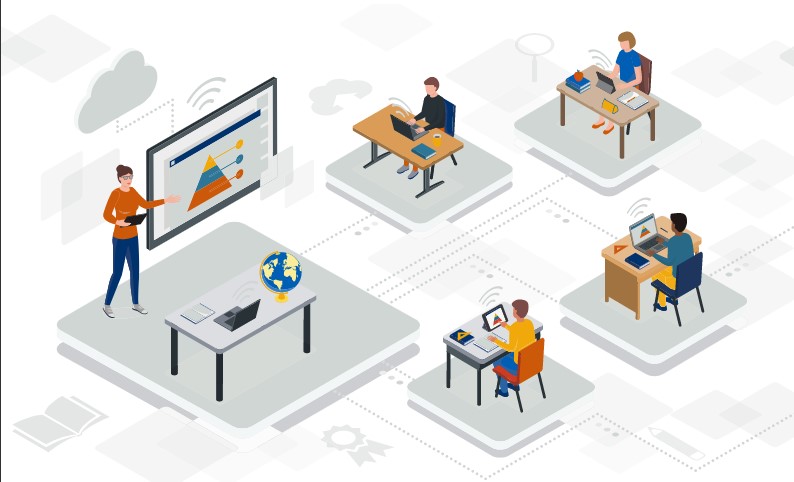
Learn the principles and best practices used by many academic institutions regarding the posting and management of copyrighted content in learning management systems.
While more employees grow skilled enough to embed movie and TV scenes into business materials, and while companies step up their creativity, these activities are also raising the potential for copyright infringement.
Access to chemical content is essential to guiding the R&D process and team collaboration. In this white paper from CCC and Chemical Engineering News, you’ll hear from professionals in the chemical industry about their processes for managing scientific information.