


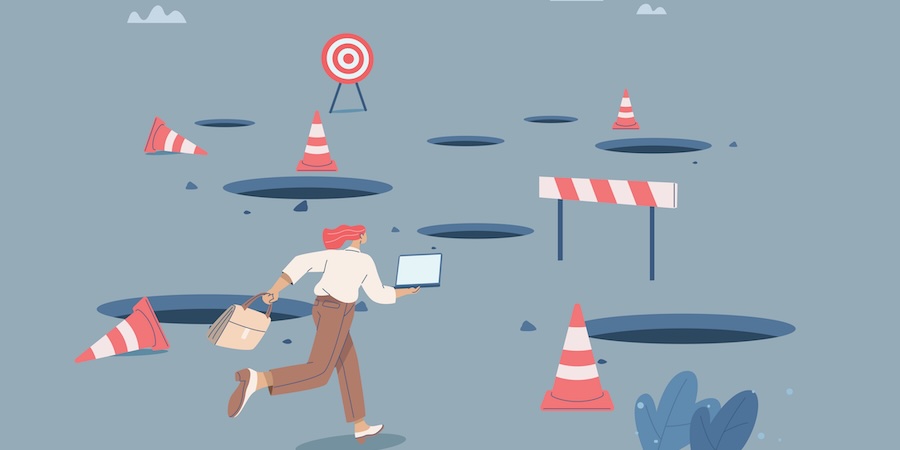


AI tools entered the workplace quietly.
A summarizer here.
A research assistant there.
Most teams did not roll these tools out with a big announcement. They slipped into daily work one feature, one shortcut at a time. Often without formal review or approval. This under-the-radar adoption is what people now call shadow AI, and it’s part of the appeal of using AI, making it feel like a productivity layer that can be simply added on top of what you already do.
But this is also where the risk begins. A tool designed to save time does not announce when it crosses a legal line. It just keeps working. Faster. Cheaper. More helpful every day.
Take a common scenario. A strategy team uploads a handful of market reports into an AI assistant. The goal is internal. No publishing. No sharing outside the company. Just insight—this feels safe to do.
But those reports came from subscriptions. Most subscriptions are written for reading, reference, and limited sharing, not for copying into AI systems. Uploading content into an AI tool always creates a new copy, sometimes several, and this can trigger the need for copyright permissions the original license may not cover.
No one in a scenario like this may have intended to take a risk, they were just trying to work smarter. We see this pattern of behavior over and over again. AI tools blur the line between reading and reuse, turning access into active processing. They summarize, index, store, modify. All of this involves copying, even when the output remains internal.
The risk compounds as AI becomes embedded in our working lives. A single upload becomes a shared workflow. That workflow becomes a system. Soon the tool is relied on for decisions, planning, and reporting. The content is still unlicensed for AI use, but now it is deeply woven into operations.
By the time legal teams notice, the tool has become mission critical.
What makes this tricky is that AI changes how content is used. Content that was properly licensed for one purpose may be reused in entirely new ways. Copyright compliance turns on whether those new uses are covered, not on how seamlessly they fit into everyday workflows.
In some cases, organizations may look to “fair use” as part of the analysis. But fair use is fact-specific, context-dependent, and rarely something individual employees can assess in the moment. It is not a substitute for having clear rights in place.
Shifting how organizations think about AI tools
What helps is shifting how organizations think about AI tools. They are not just software. They actively process content. If you would not email a PDF to fifty colleagues without checking the license, you should not upload it into an AI system without checking either.
Practical steps matter. Audit the licenses you already have. Most will not likely include AI rights. Create an approved list of content sources that are cleared for AI use. Train employees to treat AI inputs with the same care they treat external sharing.
Productivity tools should not become legal liabilities. With a little structure, they do not have to.
To learn more, download the new CCC resource, “Corporate Copyright Policy Guide: Navigating the New AI Era,” and discover how you can take a practical approach to developing AI-specific copyright policies grounded in current law and emerging best practices.